With the growing adoption of AI and recent moves like Anthropic’s Cowork plugin marketplace, there’s a popular narrative that traditional SaaS is dead. The implication is that the combination of AI agents + marketplaces will commoditize software entirely, and the old subscription paradigms won’t survive.
I tend to believe that’s an overstatement. SaaS isn’t dying – it’s evolving. What is under threat is SaaS as we’ve known it: long-term seat licenses, one-size-fits-all tiers, and feature-driven pricing. AI makes core functionality easier to replicate and access, pushing raw features toward commodity status. The value and pricing increasingly lie in outcomes, workflows, integrations, and customer trust. More than in the past, pricing is a strategic tool. See a similar conversion in David Ondrej’s post on Twitter (link in the first comment)
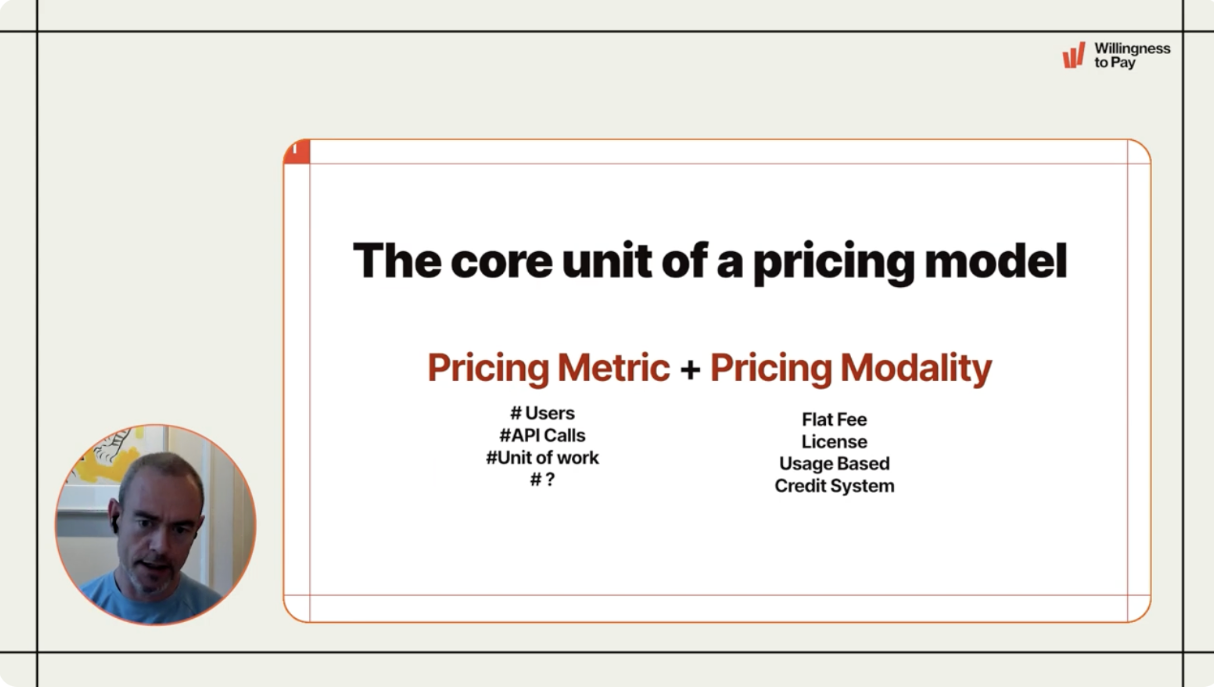
That’s why understanding the possible pricing models and their tradeoffs matters more than ever. I’ve been listening to Ulrik Lehrskov-Schmidt’s webinar series on Agentic AI pricing –“Making Money in Uncertain Times.” In a world where both cost structures (compute, labor, infrastructure) and capabilities (model performance, automation) are shifting rapidly, we can’t anchor pricing to static assumptions. Instead, pricing needs to reflect real value delivery, signal predictable economics to customers, and align engineering decisions with business outcomes.
This isn’t just a GTM or sales conversation – it’s also a core product and engineering conversation. How we design systems, how we think about metrics and outcomes, and how we package those outcomes for customers all influence pricing levers.
 Tom Ron